
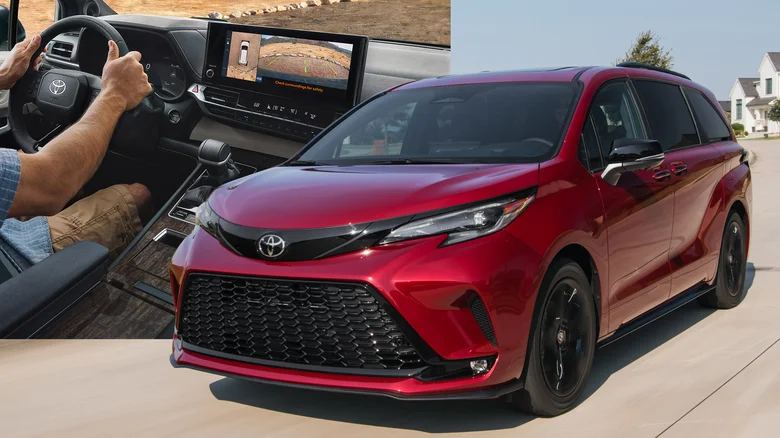
Toyota has refreshed the Sienna for the 2027 model year, extending its position as America’s most efficient self-charging hybrid minivan. The family-oriented model keeps its existing exterior and cabin design while gaining Toyota’s sixth-generation Hybrid System, more standard equipment, chassis revisions, and an upgraded safety package.
The main change is under the hood. The system combines a retuned 2.5-liter four-cylinder engine with new electric motors using silicon carbide conductors, a smaller transaxle-integrated inverter, lower-friction fluids, and a new 1.15 kWh lithium-ion battery. Total output rises by 6 hp to 251 hp (187 kW / 254 PS), while torque remains unchanged at 176 lb-ft (239 Nm).
The updates also improve acceleration. The Sienna now reaches 60 mph (97 kph) from a standstill in 7.5 seconds with front-wheel drive or 7.6 seconds with all-wheel drive, reducing the previous model year’s time by as much as 0.4 seconds.
Fuel economy is the more significant improvement, with the EPA estimating 37 mpg combined. That represents gains of 1 mpg for FWD models and 2 mpg for AWD versions. Toyota says the difference is even greater in city driving, where the rating rises to 39 mpg—an improvement of 3 mpg for FWD and 4 mpg for AWD.
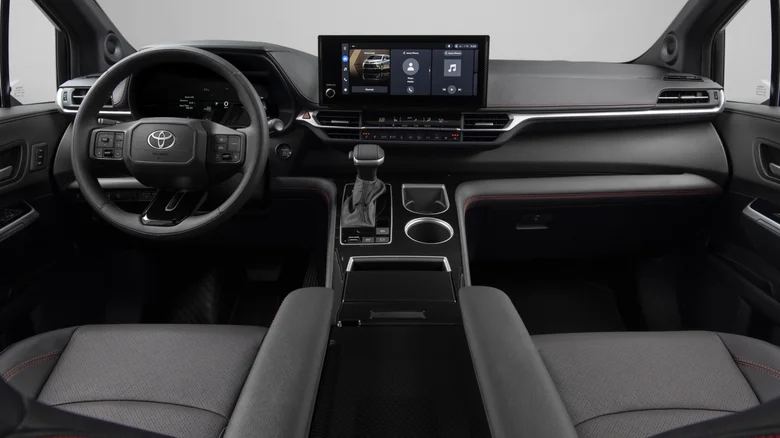
Changes beneath the body extend beyond the hybrid powertrain. Toyota revised the Sienna’s steering for a more direct response, reduced effort at low speeds, and greater stability on the highway. The minivan also receives the RAV4’s Electronically Controlled Brake System for improved pedal feel and response, plus Vehicle Braking Posture Control to help reduce body roll.
Every trim now includes dual 12.3-inch displays, which were previously reserved for higher-specification models, while a larger 12.9-inch touchscreen remains available for rear passengers. The Arene software supports over-the-air updates, and additional dashboard sound insulation improves refinement. Other additions include a built-in dashcam, LED cabin lighting, and Toyota Safety Sense 4.0 with upgraded sensors and more advanced driver-assistance systems.
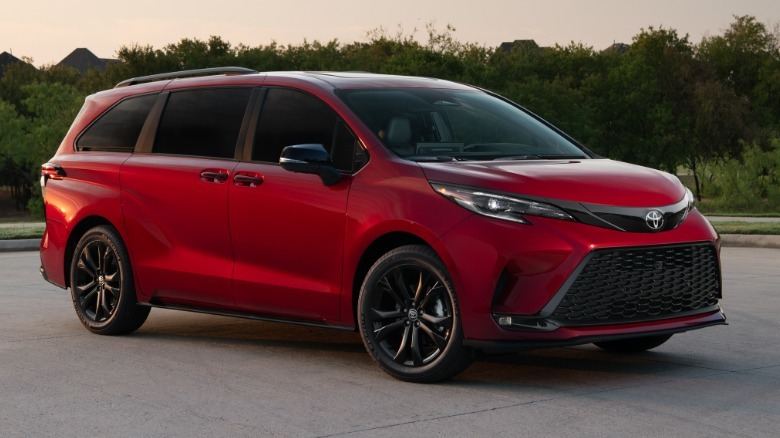
Standard equipment has been expanded throughout the range. The entry-level LE adds a hands-free liftgate, the XLE gains an eight-way power passenger seat, and the Woodland Edition receives a 360-degree camera. The sporty XSE takes equipment from the discontinued Limited, including ventilated memory front seats, second-row ottomans, and a Head-Up Display. The only visual change is the new Storm Cloud exterior color, while Cypress has been dropped.
The 2027 Toyota Sienna is scheduled to arrive at U.S. dealerships in early 2027. Toyota has not yet announced pricing; the 2026 model starts at $42,915 including destination.
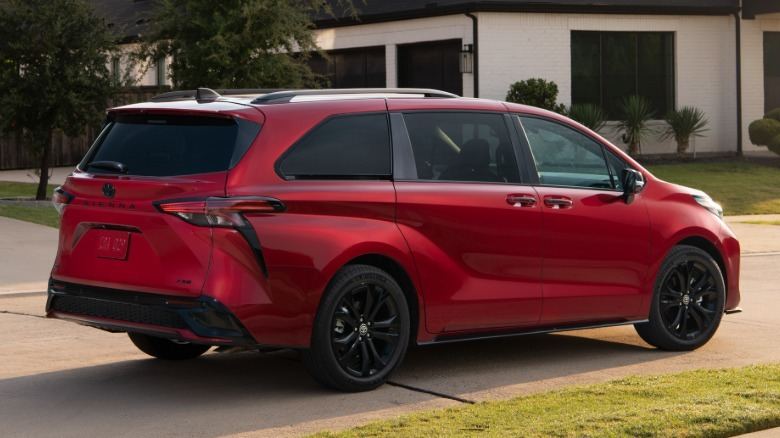
The 2027 Toyota Sienna gains Toyota’s sixth-generation hybrid system, raising output to 251 hp while improving acceleration and fuel economy. EPA estimates reach 37 mpg combined and 39 mpg city, with AWD models seeing the largest gains. Revised steering, braking, standard technology, upgraded safety equipment, and added features broaden the changes. The updated minivan arrives at U.S. dealers in early 2027, with pricing still pending.

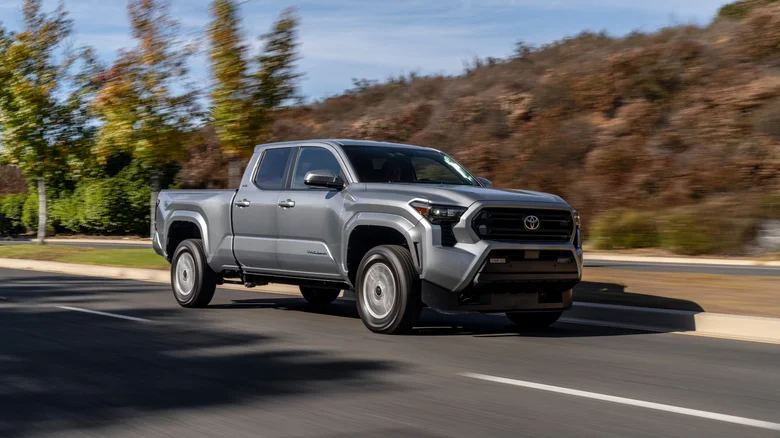
Toyota’s midsize pickup gains equipment for 2027, but its starting price rises while complimentary maintenance coverage is cut substantially.
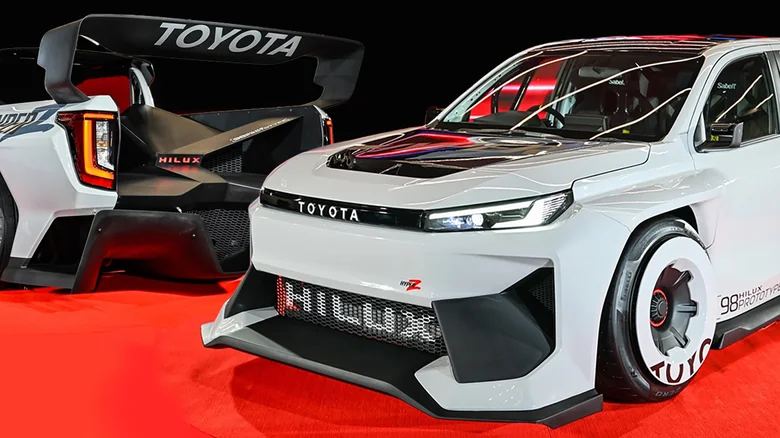
The one-off concept previews a dramatic low-slung pickup, while the production Hilux Travo Z Edition is already available to Thai buyers.
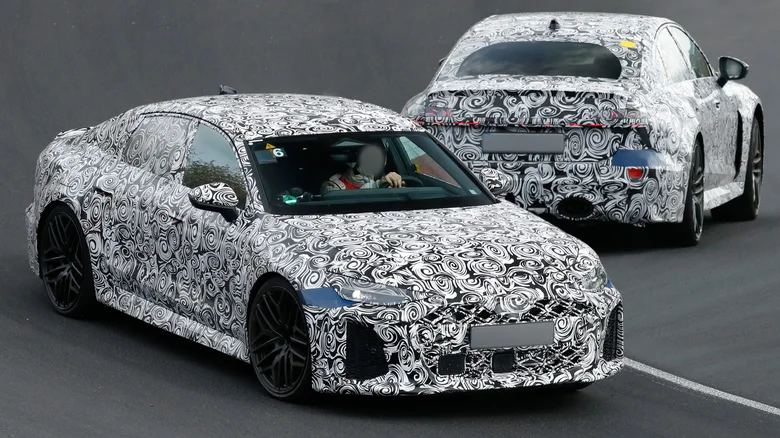
A camouflaged prototype of Audi’s next RS6 has been testing at the Nürburgring, revealing a sedan body, muscular fenders, oval exhaust outlets and an electrified powertrain.
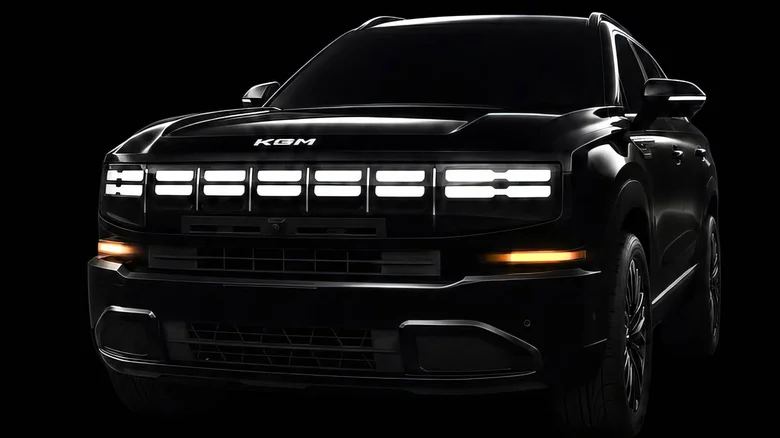
The 2027 flagship SUV will abandon its traditional ladder frame in favor of Chinese-sourced unibody underpinnings.
With demand for pure EVs cooling, Genesis is developing gas-assisted extended-range electric SUVs designed to ease concerns about charging access and driving range.