

The combination of effortless performance and traditional craftsmanship gives Bentley its unmistakable British character. Whether the marque is still genuinely British, however, remains a subject of debate among enthusiasts—particularly since a pivotal ownership change nearly 30 years ago.
Founded in 1919, Bentley established its reputation through luxury performance road cars and a run of victories at events including Le Mans during the 1920s. The Great Depression that followed the 1929 Wall Street Crash pushed the company into financial difficulty, allowing rival Rolls-Royce to take control. Bentley survived, but for the next six decades its cars used Rolls-Royce chassis and engines. Some models from the two brands were nearly identical, although Bentley maintained a distinct identity with cars such as the 1952 R-Type Continental, which inspired today’s Continental GT.
In 1998, Vickers, the then-owner of Rolls-Royce and Bentley, put both marques up for sale. BMW was already supplying V12 engines and proposed a £340 million ($450 million) bid for complete control of the two British luxury brands. The deal appeared close to completion, but another German automaker was preparing its own offer.
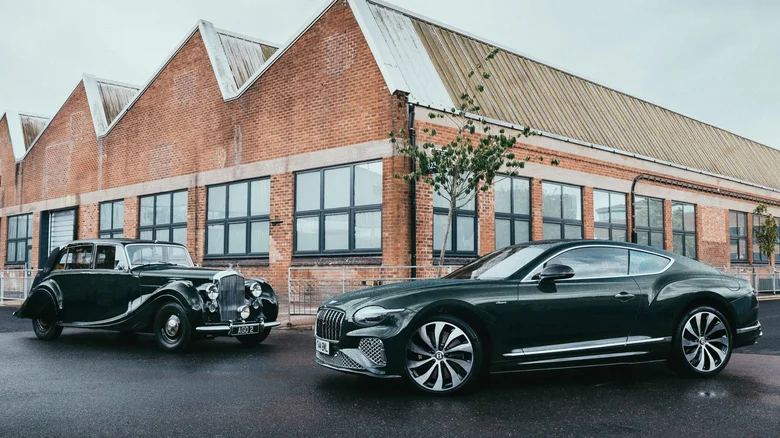
Volkswagen countered with a £430 million bid, beating BMW to the Crewe factory in northwest England, the brands’ vehicles, and Rolls-Royce’s Spirit of Ecstasy mascot and famous Parthenon grille. BMW, however, had separately reached an agreement with Rolls-Royce PLC, the aero-engine company, to license the Rolls-Royce name for just £40 million ($53 million).
The two German companies ultimately divided the assets. BMW took Rolls-Royce and built a new factory at Goodwood, while Volkswagen placed Bentley at the former Rolls-Royce and Bentley site in Crewe. Keeping the Pyms Lane facility rather than moving production to Germany helped preserve a link between Bentley’s past and present. Every current Bentley, from the Bentayga SUV to the Batur Convertible, is produced at the English plant. There was one exception: strong Flying Spur demand after its 2005 launch and again in 2013 led Bentley to build a limited number at Volkswagen’s Dresden factory in Germany to help meet orders.
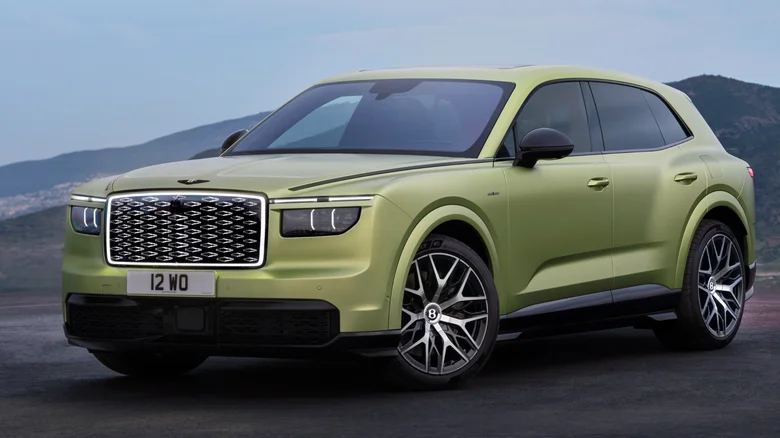
Modern Bentleys still contain substantial German DNA. The Bentayga uses a platform shared with Volkswagen Group models such as the Porsche Cayenne, while the Continental GT and Flying Spur are based on architecture also used by the Porsche Panamera. Bentley’s historic 6.75-liter V8, a surviving link to the Rolls-Royce era, ended production in 2020. Today’s 3.0-liter V6 and 4.0-liter V8 engines come from the Volkswagen Group parts supply and are cast in mainland Europe. The body shells are imported from Germany, with some previously produced in Slovakia.
Yet a car is more than the sum of its components. Bentley’s distinctive identity is shaped by the paintwork, interior trim and Mulliner personalization applied to each vehicle. A £350 million ($463 million) investment transformed Crewe with a modern paint shop, a new engineering technical center and a new production line for the Torcal, the brand’s first EV. Bentley has operated under Audi within Volkswagen’s Progressive division since 2021, but its continued investment suggests that its British roots are not being abandoned.
Bentley’s ownership changed hands during a 1998 contest between BMW and Volkswagen, but the brand stayed at its historic Crewe home. While its platforms, engines and some body shells come from across Volkswagen Group and mainland Europe, British assembly, craftsmanship and Mulliner personalization continue to define Bentley. The company remains under Audi’s control while retaining its strong British identity.


The Toyota RAV4 remains a popular compact SUV, but its value and capabilities face strong competition from five hybrid alternatives.

Tesla’s latest Roadster remains unconfirmed for production, but its dramatic debut included airborne stunts that few cars could match.

A fire at Frank Kent Cadillac in Fort Worth, Texas, destroyed six electric SUVs believed to be Cadillac Escalade IQs and took nearly 18 hours to bring under control.

A Ferrari F50 with just 106 miles on its odometer is expected to surpass $20 million at auction on October 31, potentially setting a new record for the model and highlighting its rapid rise in collector value.
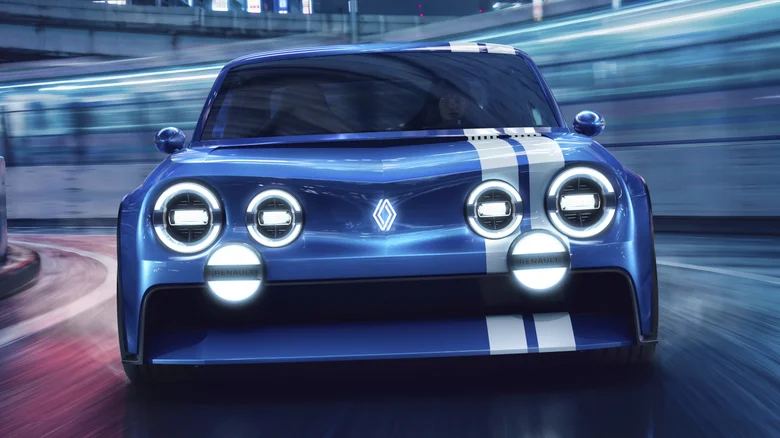
Renault has hinted that its striking electric 8 Gordini concept could eventually reach production, although the brand will first focus on launching and delivering the 5 Turbo 3E.