
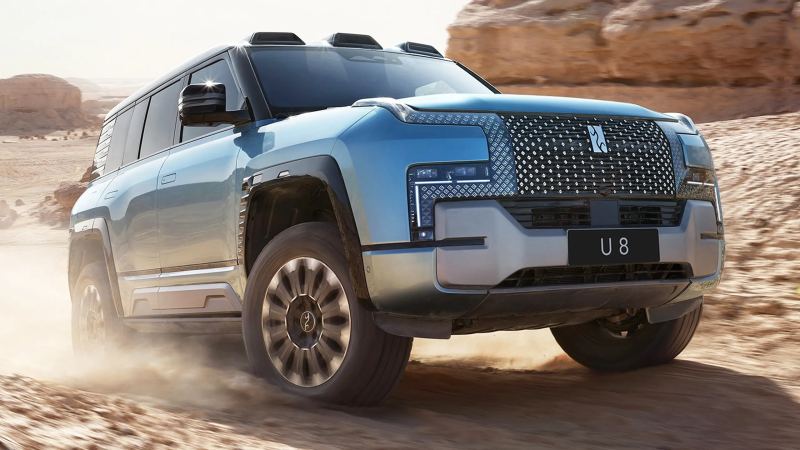
After becoming China’s largest automaker, BYD is turning its attention to international markets. Europe is a key part of that strategy, and the company believes it will ultimately need four local factories for a major expansion that could significantly disrupt established rivals.
Alfredo Altavilla, a former Fiat Chrysler executive and the current advisor to BYD’s European operations, said earlier this week that the automaker plans three vehicle assembly plants in Europe, along with a facility for assembling EV batteries.
BYD has completed its factory in Szeged, Hungary, and begun trial production there. Altavilla said the company has also opened discussions with automakers and governments in Spain, France, and Italy about potential sites, including underutilized factories that could be acquired instead of constructing entirely new facilities.
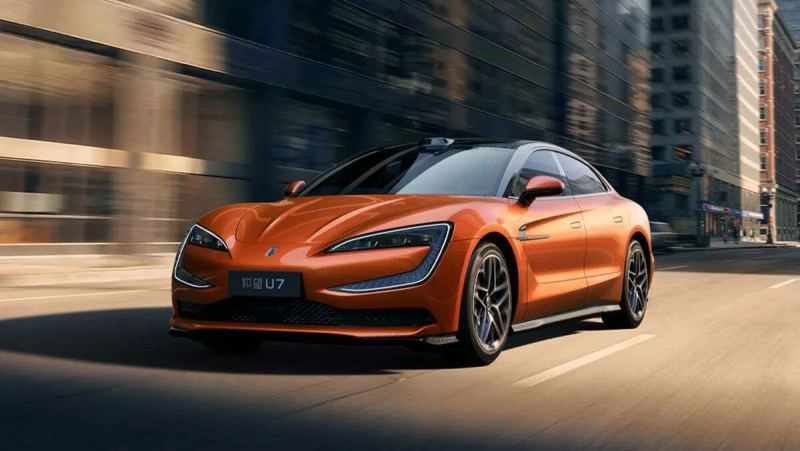
“Over the longer term, we will need three assembly plants and one battery plant,” Altavilla told Reuters. “Obviously, this is not something that will happen overnight. However, it is clear that, to achieve the volume targets we have in mind, while at the same time complying with European regulations, that is what we will need.”
Altavilla said BYD aims to select the location of its second European manufacturing site by the end of the year. After that, it will determine whether to prioritize a third vehicle plant or a local battery facility.
Overseas demand is surging
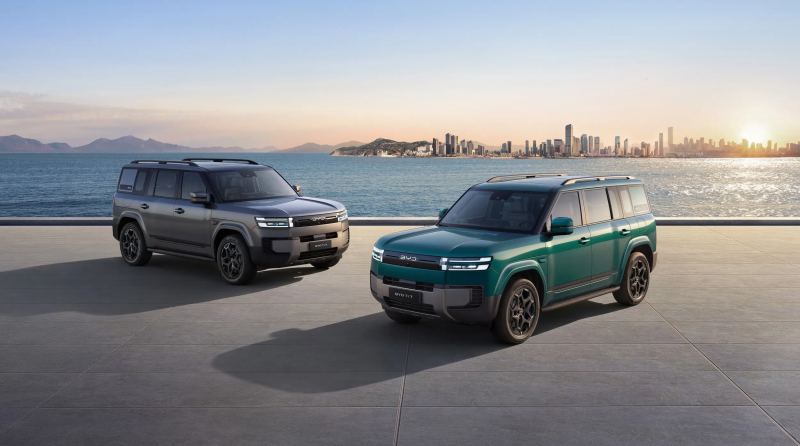
BYD’s Hungarian factory will be capable of producing up to 200,000 vehicles annually, with large-scale production currently scheduled to begin in November or December. The company announced in 2024 that it would build a plant in Manisa, Turkey, with annual capacity of 150,000 vehicles and an initial target of starting production in late 2026. Work on that facility, however, has been placed on indefinite hold.
BYD is concentrating on international markets as sales in China weaken. Domestic sales have dropped 32.7 percent this year to 1.505 million vehicles. Overseas deliveries, meanwhile, have surged, with BYD expecting to sell between 1.9 million and 2.0 million vehicles internationally by the end of 2026.


The Toyota RAV4 remains a popular compact SUV, but its value and capabilities face strong competition from five hybrid alternatives.

Volkswagen has owned Bentley since 1998, but the luxury marque remains closely tied to its historic Crewe factory, where its current models are assembled in England despite their extensive German engineering and component links.

Tesla’s latest Roadster remains unconfirmed for production, but its dramatic debut included airborne stunts that few cars could match.

A fire at Frank Kent Cadillac in Fort Worth, Texas, destroyed six electric SUVs believed to be Cadillac Escalade IQs and took nearly 18 hours to bring under control.

A Ferrari F50 with just 106 miles on its odometer is expected to surpass $20 million at auction on October 31, potentially setting a new record for the model and highlighting its rapid rise in collector value.