
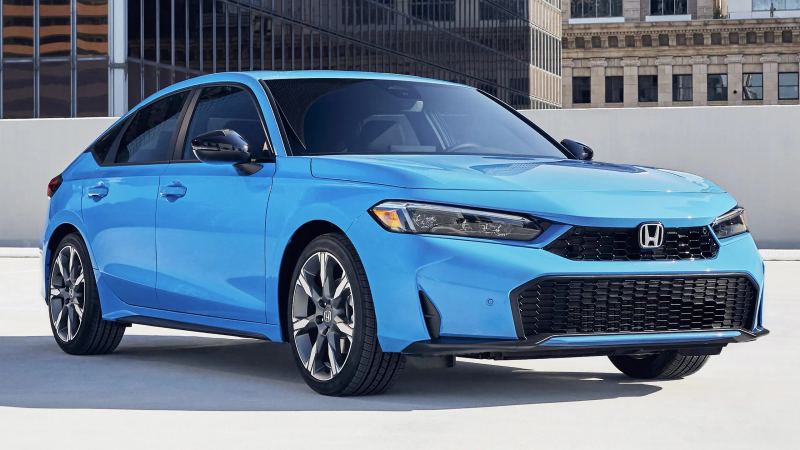
Honda is reportedly preparing a significant overhaul of its U.S. manufacturing plans for the next-generation CR-V and future Civic sedan as it seeks to improve profitability. The changes will delay the arrival of the new CR-V, while giving buyers more opportunity to purchase the outgoing model.
Honda has not yet unveiled the next-generation CR-V, but the SUV is expected to debut by the end of this year or in early 2027. It will feature an upgraded hybrid powertrain designed to reduce production costs and improve efficiency. Production was originally expected to begin around January, but reports now indicate a delay until April 2027.
The new CR-V is expected to enter production first at Honda’s facility in Alliston, Ontario, Canada, followed by manufacturing in the U.S. Auto News reports that Honda now plans to produce 41,315 examples in North America during the first production year, representing a 6.7% reduction in monthly output.
The Current CR-V Remains a Strong Seller
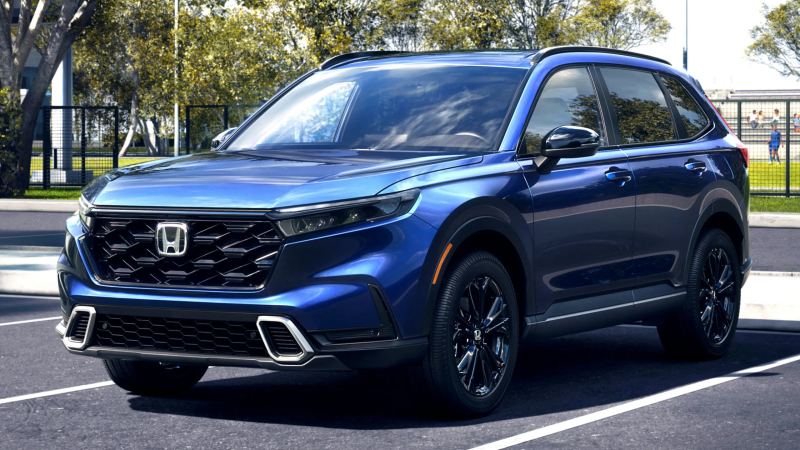
Honda’s exact reason for postponing the new CR-V remains unclear, although the current model’s strong demand may be a factor. CR-V sales increased 9.5% to 336,844 units during the first nine months of this year. September was particularly strong, with 34,788 sold, up 17% from the same month last year. That makes the CR-V Honda’s best-selling model, with nearly twice as many September sales as the second-place Civic, which recorded 17,724 units. The performance is notable because the current CR-V is now four years old.
Honda is also changing its plans for the Civic. The company had intended to begin building the next-generation Civic at its Greensburg, Indiana, plant in May 2028, but unnamed supply chain sources say that plan has been canceled. CarScoops has contacted Honda for confirmation and will update the report if it receives a response.
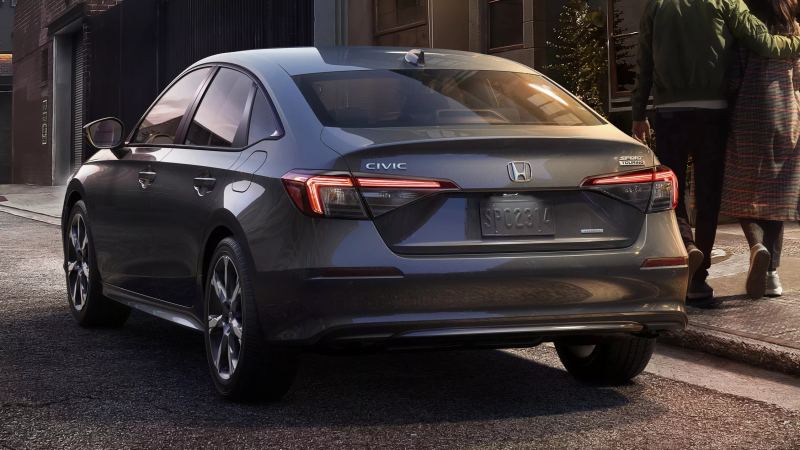
The move would likely free capacity at the Indiana facility, which is also scheduled to produce the next CR-V. Since the SUV sells in substantially greater numbers than the Civic and delivers higher profits, prioritizing local CR-V production would make sense for Honda.
Although the next Civic will no longer be built in Indiana, current plans still call for the new Civic sedan to enter production at Honda’s Ontario plant in April 2028. Ending Indiana production of the Civic hatchback will require Honda to import that version from Japan.
The next Honda CR-V and Civic will move to the automaker’s new mid-size platform, which is 198 lbs (90 kg) lighter than the equivalent current models. Their hybrid variants will receive a direct-injection 2.0-liter inline-four, new electric motors, and the same S+ Shift simulated gear changes used by the Prelude.
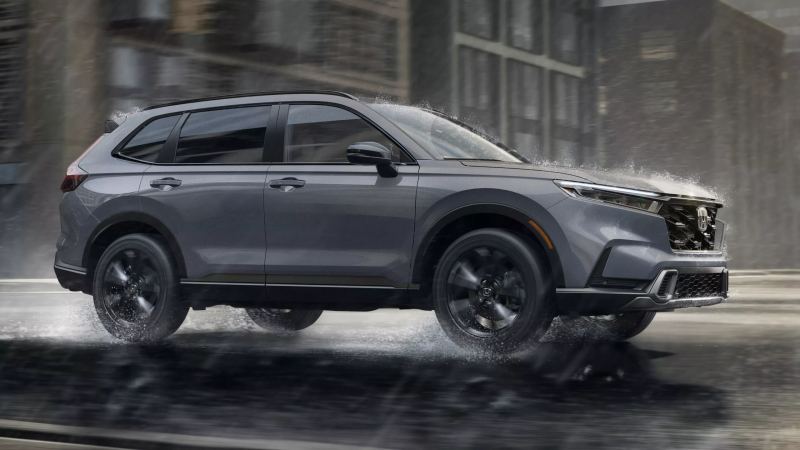
Honda is revising its North American production strategy to prioritize the stronger-selling, more profitable CR-V. Production of the next-generation SUV is reportedly delayed until April 2027, while plans to build the future Civic in Indiana have been canceled. The new Civic sedan remains slated for Ontario production, although Civic hatchbacks may be imported from Japan. Both models will use Honda’s lighter new platform and updated hybrid system.


The Toyota RAV4 remains a popular compact SUV, but its value and capabilities face strong competition from five hybrid alternatives.

Volkswagen has owned Bentley since 1998, but the luxury marque remains closely tied to its historic Crewe factory, where its current models are assembled in England despite their extensive German engineering and component links.

Tesla’s latest Roadster remains unconfirmed for production, but its dramatic debut included airborne stunts that few cars could match.

A fire at Frank Kent Cadillac in Fort Worth, Texas, destroyed six electric SUVs believed to be Cadillac Escalade IQs and took nearly 18 hours to bring under control.

A Ferrari F50 with just 106 miles on its odometer is expected to surpass $20 million at auction on October 31, potentially setting a new record for the model and highlighting its rapid rise in collector value.