
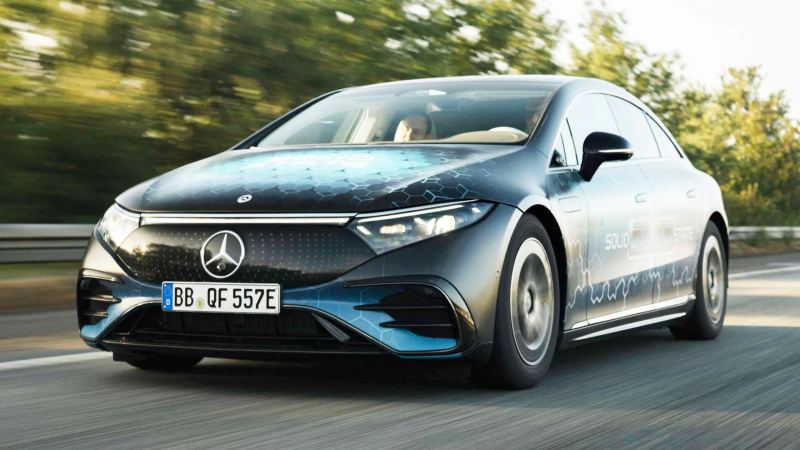
Mercedes-Benz and Taiwanese energy company ProLogium have worked together for more than a decade to advance solid-state battery technology for the automotive industry. Their strengthened partnership gives Mercedes priority access to testing ProLogium’s fourth-generation cells, technology that could significantly influence future vehicles.
Solid-state batteries are widely regarded as a major breakthrough in battery technology. They replace the liquid electrolytes used in conventional lithium-ion batteries with non-flammable solid materials, potentially delivering greater energy density, faster charging, improved safety, and longer service life.
Like BYD, Toyota, Nissan, Honda, Volkswagen, Stellantis, Chery, and other automakers, Mercedes-Benz is developing and testing solid-state batteries for its next generation of EVs. Some of these vehicles could reach the market within the next 12 months.
Under the agreement, Mercedes-Benz will conduct electrical, thermal, and safety testing of ProLogium’s Gen4 lithium ceramic battery cells at its own facilities and at independent testing institutes. The cells use ceramic separator technology and a non-flammable inorganic electrolyte, which is designed to support fast charging and high power output.
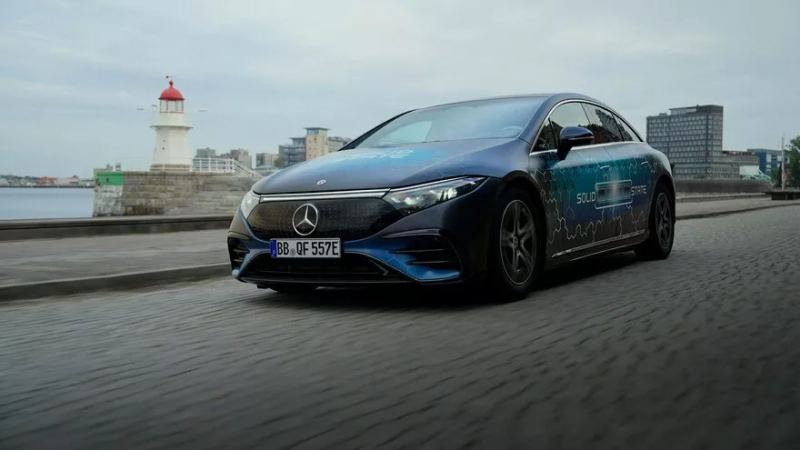
“At Mercedes-Benz, we are committed to shaping the future of electric mobility through technological leadership and innovation,” said Jörg Burzer, a member of the Board of Management of Mercedes-Benz Group AG. “Our long-standing partnership with ProLogium is a strong example of how we bring the best expertise together to advance next-generation battery technologies. By combining ProLogium’s pioneering solid-state battery approach with Mercedes-Benz’s deep battery development, testing and integration capabilities, we are taking the next step in exploring advanced battery technologies for future electric vehicles.”
Solid-State Battery Manufacturing Is Headed To Europe
ProLogium already runs a large battery plant in Taiwan and is planning a facility in Dunkirk, France, with production capacity of up to 44 GWh. The company says the site will enable it to supply customers throughout Europe, including Mercedes-Benz.
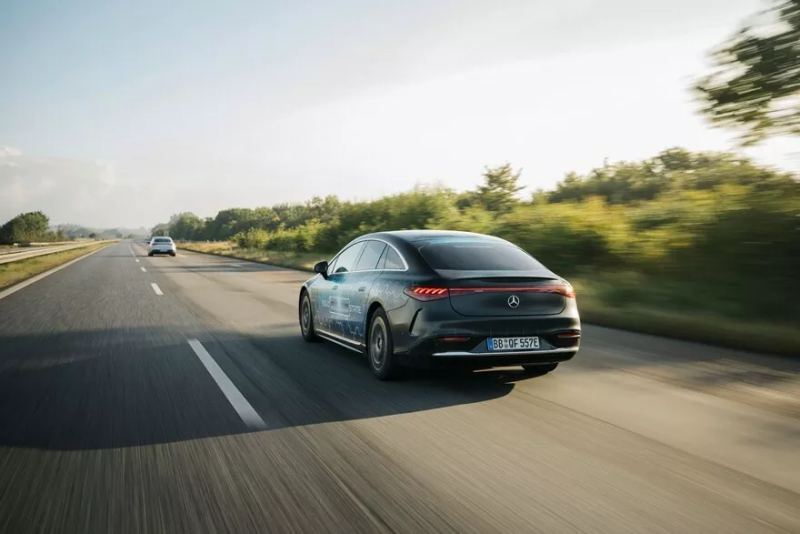
Mercedes-Benz has another significant partner in solid-state battery development. Alongside its work with ProLogium, the German automaker is testing lithium-metal battery cells from U.S. company Factorial Energy.
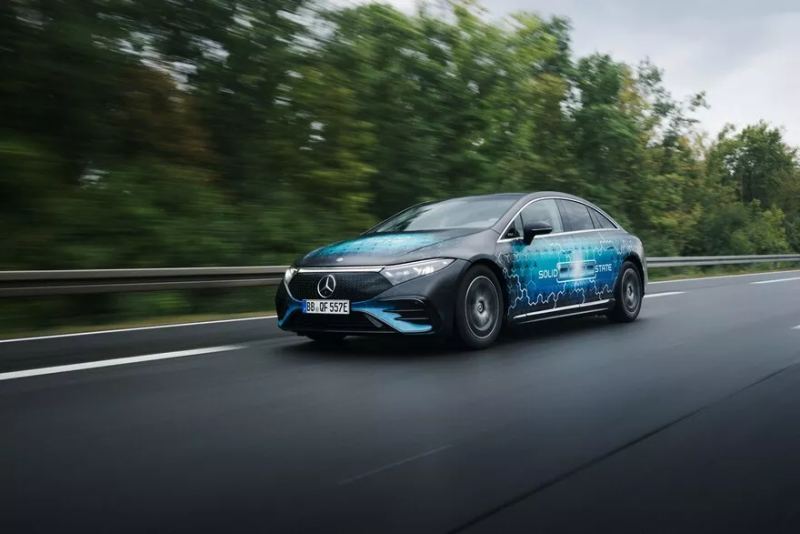
Last year, a Mercedes-Benz EQS fitted with one of Factorial’s solid-state battery packs traveled 748.8 miles (1,205 km) on a single charge. Mercedes-Benz said the vehicle still had an estimated 85 miles (137 km) of range remaining when the test ended.


The Toyota RAV4 remains a popular compact SUV, but its value and capabilities face strong competition from five hybrid alternatives.

Volkswagen has owned Bentley since 1998, but the luxury marque remains closely tied to its historic Crewe factory, where its current models are assembled in England despite their extensive German engineering and component links.

Tesla’s latest Roadster remains unconfirmed for production, but its dramatic debut included airborne stunts that few cars could match.

A fire at Frank Kent Cadillac in Fort Worth, Texas, destroyed six electric SUVs believed to be Cadillac Escalade IQs and took nearly 18 hours to bring under control.

A Ferrari F50 with just 106 miles on its odometer is expected to surpass $20 million at auction on October 31, potentially setting a new record for the model and highlighting its rapid rise in collector value.