
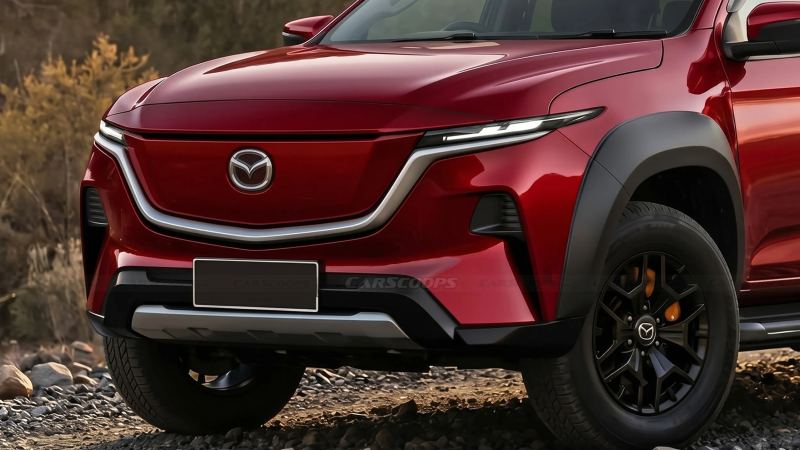
The Mazda BT-50 may trail its Toyota Hilux and Ford Ranger rivals in popularity, but it remains an important vehicle for the Japanese automaker. Growing competition in the midsize pickup market has encouraged Mazda to pursue a new generation, which is expected to arrive within the next couple of years.
Mazda introduced the third-generation BT-50 in 2020 and gave it a mid-cycle update in late 2024. The pickup uses the Isuzu D-Max’s ladder-frame platform, while Mazda provides its own exterior and interior design. It is currently available exclusively with non-electrified turbodiesel powertrains.
CarsGuide spoke with Vinesh Bhindi, managing director of Mazda Australia, who confirmed that the next BT-50 is being developed. While he did not reveal specifications, the senior executive said the new pickup will likely reach the road around 2028.
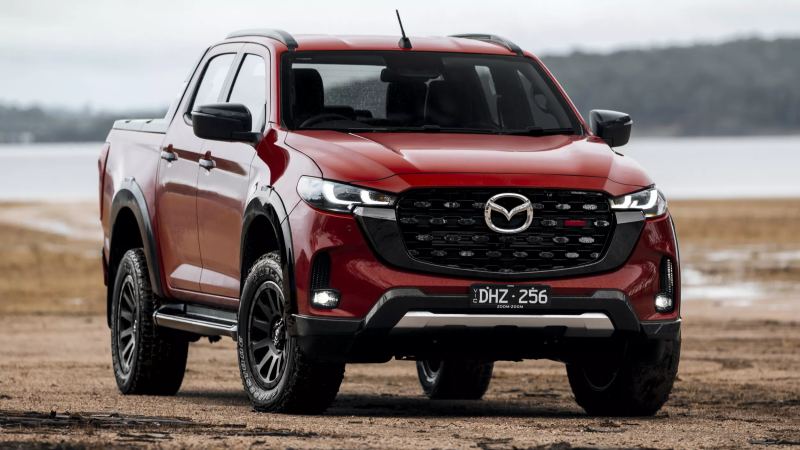
The publication also interviewed Eiji Kimoto, Mazda’s chief designer and the person responsible for styling the current BT-50. Asked about the upcoming pickup, Kimoto said: “I am not allowed to speak much about the future product, but I can tell you, please look forward to it”.
Mazda lacks the R&D resources to develop a pickup independently, making another partnership likely for the next BT-50. The first two generations were based on the Ford Ranger, while the current model switched to Isuzu underpinnings.
A Collaborative Development
Mazda could maintain its relationship with Isuzu and develop the new BT-50 alongside the next-generation D-Max. Alternatively, it could expand its collaboration with Chinese automaker Changan, following projects such as the 6e sedan and CX-6e SUV.
Changan already sells a pickup called the Hunter K50, which uses a range-extender powertrain. It is based on the ladder-frame chassis of the diesel-powered Changan Hunter, a platform that has also spawned several Stellantis-branded pickups in South America, including the Peugeot Landtrek, Fiat Titano, Ram 1200, and Ram Dakota.
Sharper Styling and a More Premium Cabin
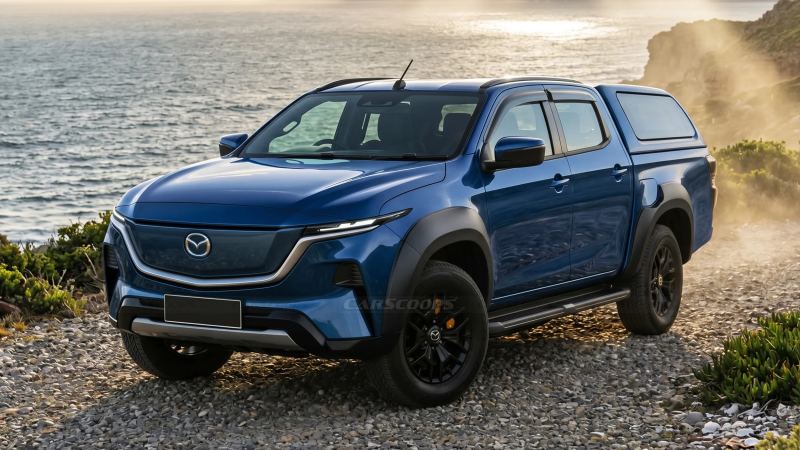
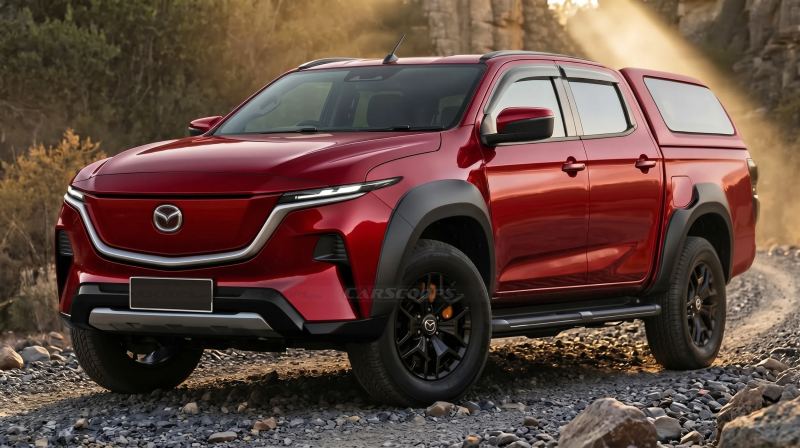
Whichever partnership Mazda chooses, the next BT-50 is expected to adopt the brand’s latest design language, including sharp LED lighting and sculpted bodywork. Our speculative rendering uses the Isuzu D-Max’s proportions as a foundation, adding design cues from the Mazda CX-6e, wider fender extensions, and a rear canopy.
Mazda is also expected to give the pickup a more premium interior as part of the brand’s broader move upmarket. That could help the next BT-50 distinguish itself in a crowded segment and appeal to a particular type of buyer. As with many midsize pickups sold in Australia, it could continue to offer rugged versions such as the Thunder, along with optional accessories aimed at off-road enthusiasts.
Which Powertrain Could It Use?
In 2025, Mazda Australia’s managing director said a fully electric BT-50 was not expected in the foreseeable future, despite the availability of the closely related Isuzu D-Max EV. He also said he did not view plug-in-hybrid pickups as a threat and believed diesel powertrains would likely remain. However, he acknowledged that Mazda would monitor the market for demand for electrified trucks and assess the available options.
That suggests Mazda could consider some form of electrification for the next BT-50. If the company continues working with Isuzu, a mild-hybrid diesel could be the likely solution, while a partnership with Changan might bring a range-extender powertrain. Such options would help the pickup meet market demand, comply with tighter emissions regulations, and potentially expand its reach beyond Australia.
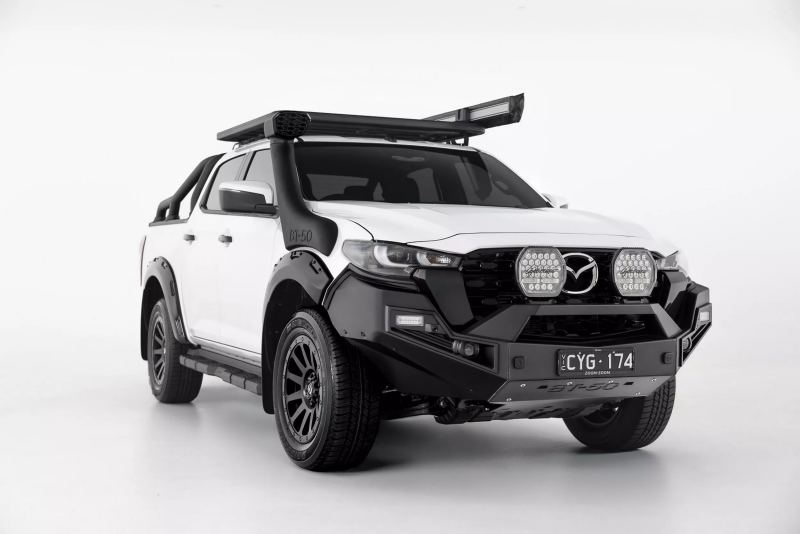
Mazda has confirmed that a new BT-50 is in development and is expected to arrive around 2028. The pickup will likely continue relying on a partner platform, potentially from Isuzu or Changan, while adopting sharper Mazda styling and a more upscale cabin. Although diesel power is expected to remain, electrified options could be considered as market demand and emissions rules evolve.


The Toyota RAV4 remains a popular compact SUV, but its value and capabilities face strong competition from five hybrid alternatives.

Volkswagen has owned Bentley since 1998, but the luxury marque remains closely tied to its historic Crewe factory, where its current models are assembled in England despite their extensive German engineering and component links.

Tesla’s latest Roadster remains unconfirmed for production, but its dramatic debut included airborne stunts that few cars could match.

A fire at Frank Kent Cadillac in Fort Worth, Texas, destroyed six electric SUVs believed to be Cadillac Escalade IQs and took nearly 18 hours to bring under control.

A Ferrari F50 with just 106 miles on its odometer is expected to surpass $20 million at auction on October 31, potentially setting a new record for the model and highlighting its rapid rise in collector value.