
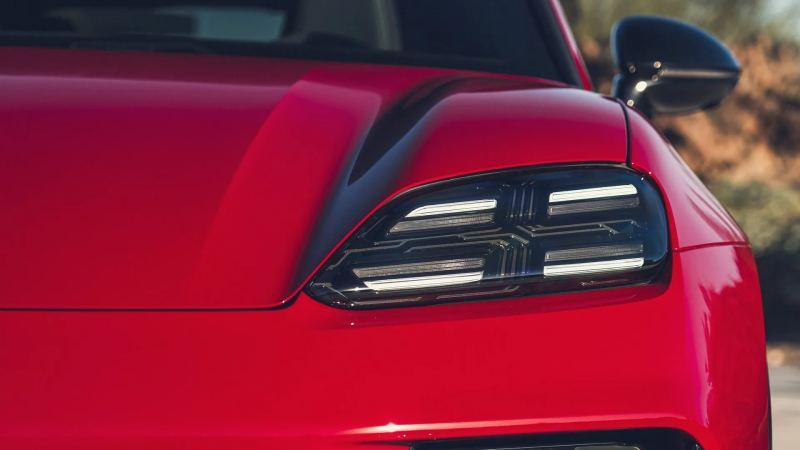
Anyone who has faced an oncoming SUV that fills the cabin with light knows headlights can be more attention-grabbing than expected. At the same time, many drivers feel their own vehicle’s lighting falls short. The Rivian R1S, for example, demonstrates how capable modern headlights can be. Seeing farther along the road is an important part of vehicle safety, and the National Highway Traffic Safety Administration now appears ready to address how far U.S. standards have fallen behind.
On October 6, NHTSA announced plans to update Federal Motor Vehicle Safety Standard No. 108. The agency is considering glare, headlamp height and aiming, newer lighting technologies, and greater consistency with international standards. The review could cover LEDs, automatic high beams, dusk sensors and replaceable light sources, along with testing for plastic optics and replacement lenses. Its scope therefore extends well beyond simply determining how bright headlights should be.
This is not the first time regulators have promised better headlight performance. In February 2022, NHTSA issued a final rule permitting adaptive driving beam systems on new vehicles. These systems can send more light toward unobstructed areas of the road while reducing illumination near other vehicles. The goal is to help drivers see pedestrians, animals and obstacles without blinding approaching traffic.
That earlier rule amended the same safety standard and set performance requirements for adaptive driving beam technology. NHTSA’s interest in international alignment is promising, but the announcement does not indicate that the agency will adopt European adaptive-headlight regulations wholesale. Whether it does so remains unresolved.
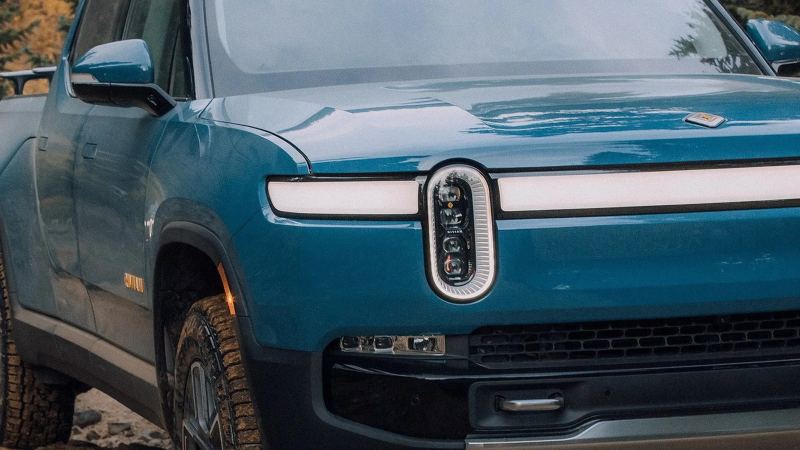
The push for improvements is supported by driver feedback. An AAA survey released in March found that 60% of drivers view glare as a nighttime problem. Of those affected, 73% said the issue had become worse over the previous decade, while 92% named headlights from oncoming vehicles as their main concern. Roughly one-third also reported glare problems in their mirrors.
NHTSA plans to use negotiated rulemaking with as many as 18 stakeholders. Comments on the review’s scope and committee balance, as well as applications for committee membership, must be submitted by November 9 under docket NHTSA-2026-1981. The announcement provides no completion date, and it does not create new requirements. For now, drivers and lobbyists can help shape the review, while the effectiveness of the effort will depend on the regulations eventually adopted.
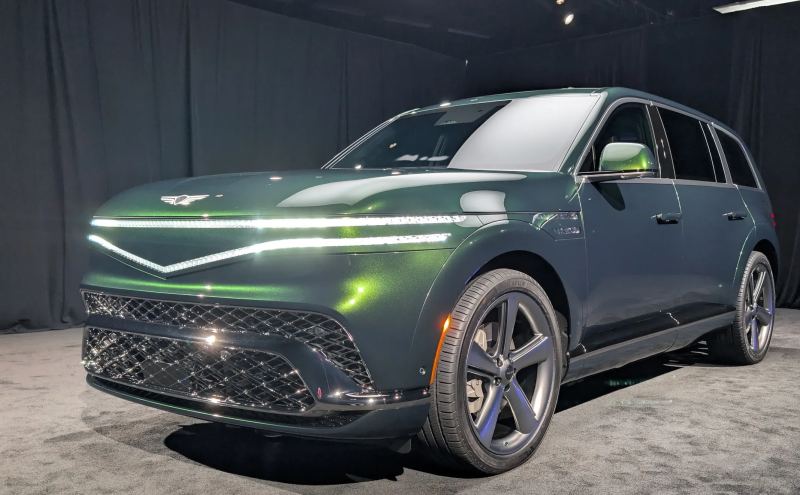
NHTSA is reopening Federal Motor Vehicle Safety Standard No. 108 to examine headlight glare, mounting height, aiming, emerging technologies and international standards. The review follows growing concerns about nighttime glare and builds on a 2022 rule permitting adaptive driving beams. Negotiated rulemaking will involve up to 18 stakeholders, but the agency has not set a completion date or introduced new requirements yet.


The Toyota RAV4 remains a popular compact SUV, but its value and capabilities face strong competition from five hybrid alternatives.

Volkswagen has owned Bentley since 1998, but the luxury marque remains closely tied to its historic Crewe factory, where its current models are assembled in England despite their extensive German engineering and component links.

Tesla’s latest Roadster remains unconfirmed for production, but its dramatic debut included airborne stunts that few cars could match.

A fire at Frank Kent Cadillac in Fort Worth, Texas, destroyed six electric SUVs believed to be Cadillac Escalade IQs and took nearly 18 hours to bring under control.

A Ferrari F50 with just 106 miles on its odometer is expected to surpass $20 million at auction on October 31, potentially setting a new record for the model and highlighting its rapid rise in collector value.