
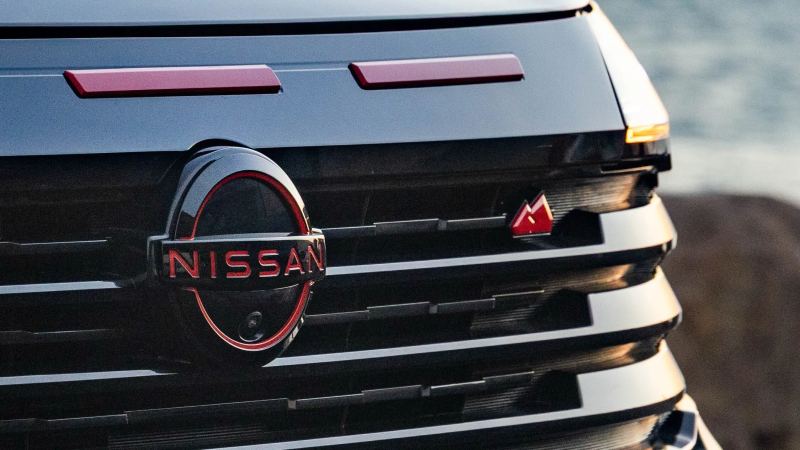
The US welcomed Chinese President Xi Jinping last week, but Chinese-built vehicles on American roads remain a firm red line. Despite efforts by US senators to keep them out, a senior Nissan executive warns that Chinese automakers could begin producing vehicles in North America within as little as two years.
Nissan Americas Chairman Christian Meunier expects Chinese automakers to be building vehicles in Mexico, only hours from the US border, within three years.
Like Ford chairman Bill Ford and CEO Jim Farley, Meunier believes Chinese brands will eventually appear on US roads. He does not expect that to happen for at least five years, giving established American automakers some time to prepare for a tougher fight in their home market.
Local Production Could Avoid Tariffs
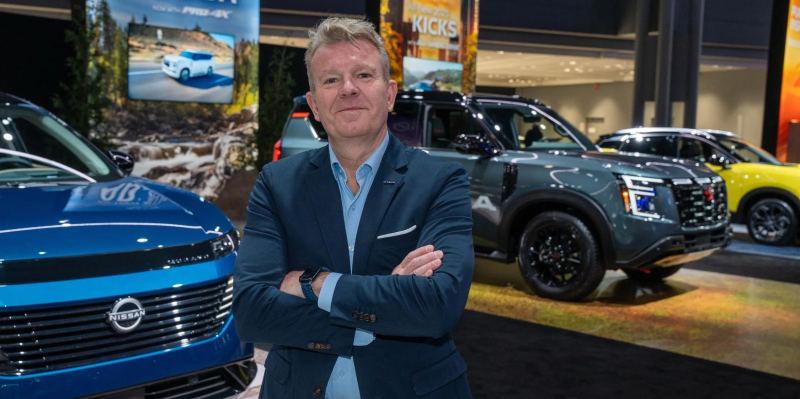
Many of those brands already operate south of the border, where Chinese vehicles are sold despite a 50 percent tariff. Competition in Mexico will become even more intense once Chinese automakers build locally and can cut prices without the tariff. Established brands will need to lower their own costs to keep up. “Cost competitiveness is going to be the rule of the game in the next five years,” Meunier said, arguing that Western and Japanese automakers have not done enough in recent years to reduce expenses. He described Nissan’s current supply and cost structure as “not good enough to compete head to head with the BYDs of this world.”
Nissan Plans to Fight Chinese Automakers With Their Own Strategy
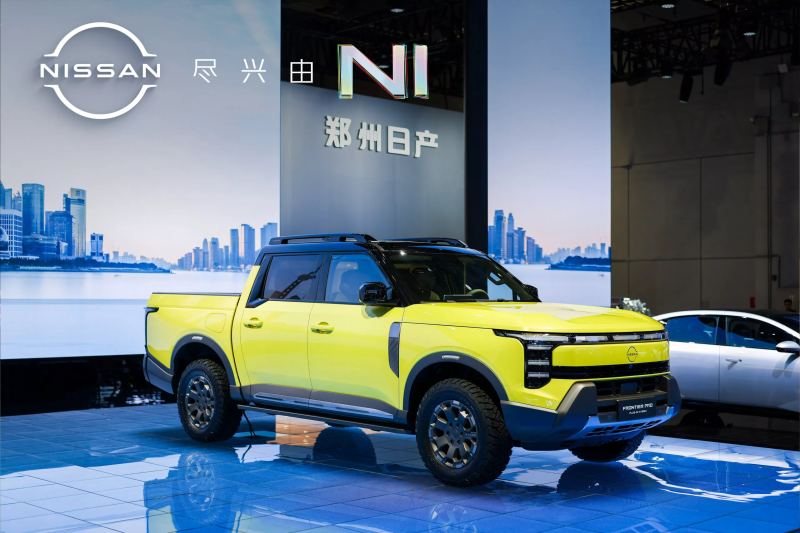
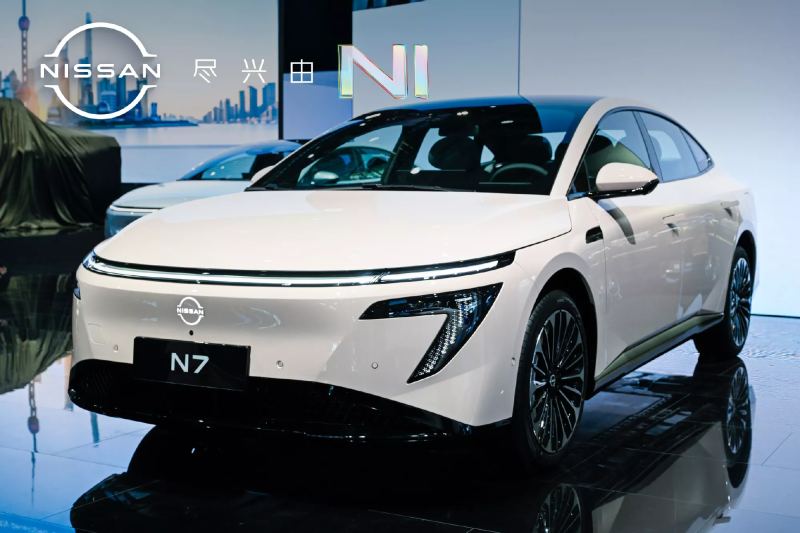
Meunier says Nissan has another way to keep pace with Chinese automakers beyond cutting expenses. The company plans to sell China-built vehicles in Mexico, effectively using the same approach as its competitors. The Frontier Pro pickup is now launching in Mexico, with availability set to expand across Latin America this year, according to Automotive News. The N7 electric sedan will also soon arrive in the region from China as Nissan targets growing demand for EVs.
“We’re taking advantage of the opportunity to have a Chinese developed product compete with Chinese manufacturers in Latin America, because it’s clearly a big, fast invasion that is happening,” Meunier said.
Europe Offers a Possible Preview
Meunier issued his warning less than two weeks after Hyundai CEO Jose Munoz cautioned that Chinese vehicles could disrupt the US market. Munoz said that without safeguards, the US could follow the example of the UK or Europe, where Chinese cars account for one in every 10 vehicles sold—a share that continues to grow.
High tariffs on Chinese vehicles currently keep them out of the US, while senators are working on legislation that would permanently ban them. President Trump, however, has said he is open to Chinese automakers establishing factories within the United States.
Nissan Americas Chairman Christian Meunier believes Chinese automakers could open Mexican factories within three years and eventually enter the US market, although he expects that to take at least five years. Nissan is responding by cutting costs and introducing China-developed, China-built models such as the Frontier Pro and N7 in Mexico and Latin America, while tariffs and proposed legislation continue to restrict Chinese vehicles in the US.


The Toyota RAV4 remains a popular compact SUV, but its value and capabilities face strong competition from five hybrid alternatives.

Volkswagen has owned Bentley since 1998, but the luxury marque remains closely tied to its historic Crewe factory, where its current models are assembled in England despite their extensive German engineering and component links.

Tesla’s latest Roadster remains unconfirmed for production, but its dramatic debut included airborne stunts that few cars could match.

A fire at Frank Kent Cadillac in Fort Worth, Texas, destroyed six electric SUVs believed to be Cadillac Escalade IQs and took nearly 18 hours to bring under control.

A Ferrari F50 with just 106 miles on its odometer is expected to surpass $20 million at auction on October 31, potentially setting a new record for the model and highlighting its rapid rise in collector value.