
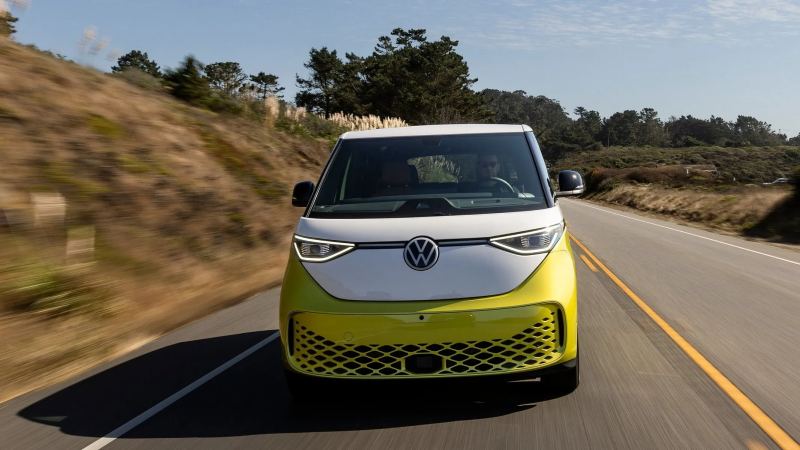
Volkswagen has delayed the ID. Buzz once again. After dropping the 2026 model year in the U.S., the electric van was scheduled to return this fall as a 2027 model. VW announced that revised lineup in May, but the timetable proved too aggressive. Buyers will instead have to wait until the first half of 2027 for an ID. Buzz carrying a 2028 model-year designation.
According to Automotive News, Volkswagen notified its U.S. dealers of the change on September 24. The delay means the Buzz will miss two straight model years in the American market, an awkward development for a van that only arrived in U.S. showrooms in November 2024. It also creates an unusually long gap for a vehicle VW promoted for years before putting it on sale.
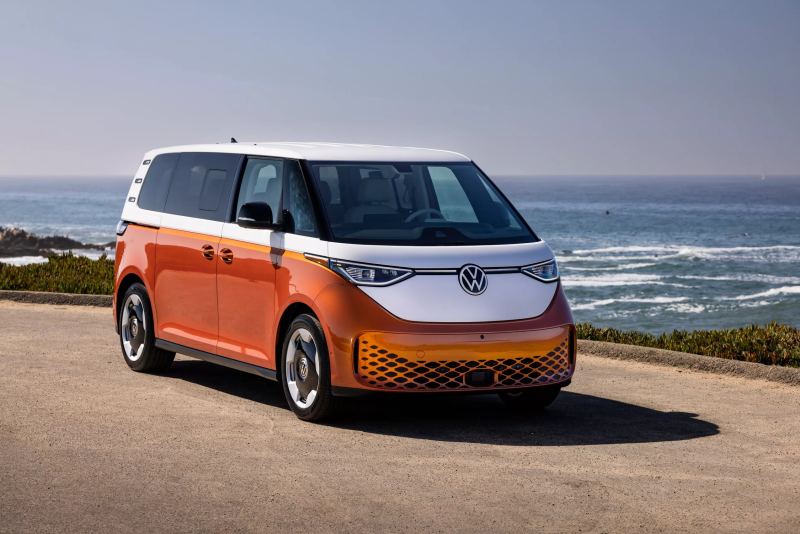
The previously announced updates for the 2027 model are still planned for the 2028 van. They include a camping-oriented Tourer trim, two-tone exterior paint, physical steering-wheel buttons, and North American Charging Standard capability. The 2028 model will also add revised software, vehicle-to-load functionality, and a digital key. Volkswagen says bundling these changes together will allow it to deliver several improvements at once.
“The 2028 ID Buzz brings together meaningful customer-focused enhancements in a single launch,” the automaker said. Volkswagen did not explain what prompted the delay or provide additional details such as pricing. Those details matter, especially because this is not the first change to the schedule. VW told dealers in December of 2025 that it would skip the 2026 model year, before making another announcement in May.
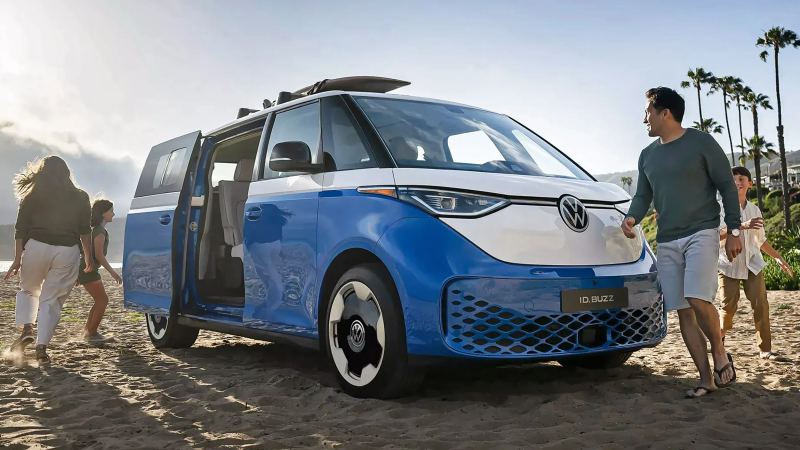
The latest delay is not especially surprising given the pressures facing the industry. Without a Federal EV tax credit, the ID. Buzz’s already high price is even harder to justify. The van arrived roughly 20 years after Volkswagen first teased the concept, bringing extremely limited range, a small selection of trims, and a very high price. It recorded only 6,140 sales during 2025 and 2,481 during the first half of this year. Tariffs are undoubtedly another factor VW must weigh.
Still, the van has not been canceled. If Volkswagen can keep this schedule on track, American buyers will eventually receive what appears to be a substantially updated version. The question is whether the automaker can improve the offering enough to make the extended wait worthwhile for dealers and customers. If the price continues to rise, probably not.


The Toyota RAV4 remains a popular compact SUV, but its value and capabilities face strong competition from five hybrid alternatives.

Volkswagen has owned Bentley since 1998, but the luxury marque remains closely tied to its historic Crewe factory, where its current models are assembled in England despite their extensive German engineering and component links.

Tesla’s latest Roadster remains unconfirmed for production, but its dramatic debut included airborne stunts that few cars could match.

A fire at Frank Kent Cadillac in Fort Worth, Texas, destroyed six electric SUVs believed to be Cadillac Escalade IQs and took nearly 18 hours to bring under control.

A Ferrari F50 with just 106 miles on its odometer is expected to surpass $20 million at auction on October 31, potentially setting a new record for the model and highlighting its rapid rise in collector value.