
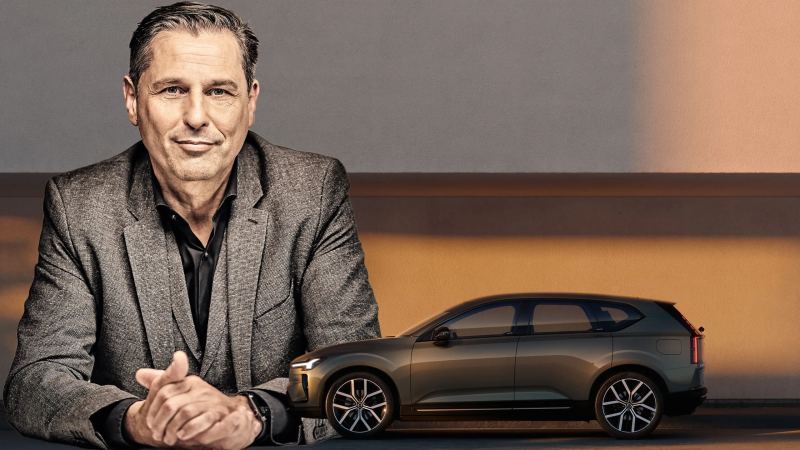
Volvo Cars is preparing for a leadership change as the Swedish automaker faces a difficult period. The company, which is owned by Chinese conglomerate Geely, said Klaus Zellmer will become its president and CEO within the next 12 months.
Zellmer has more than 30 years of industry experience and most recently led Volkswagen Group’s Skoda brand. He also spent time at Porsche, serving as president and CEO of its North American car division from 2015 to 2020. His background with European automakers will be important as Volvo continues to address profitability challenges.
Volvo, which will mark its 100th anniversary in 2027, recently revealed plans to introduce 13 all-new models by 2030. The program uses a split strategy aimed at both Western markets and China.
A New Leader for Volvo’s Next Chapter
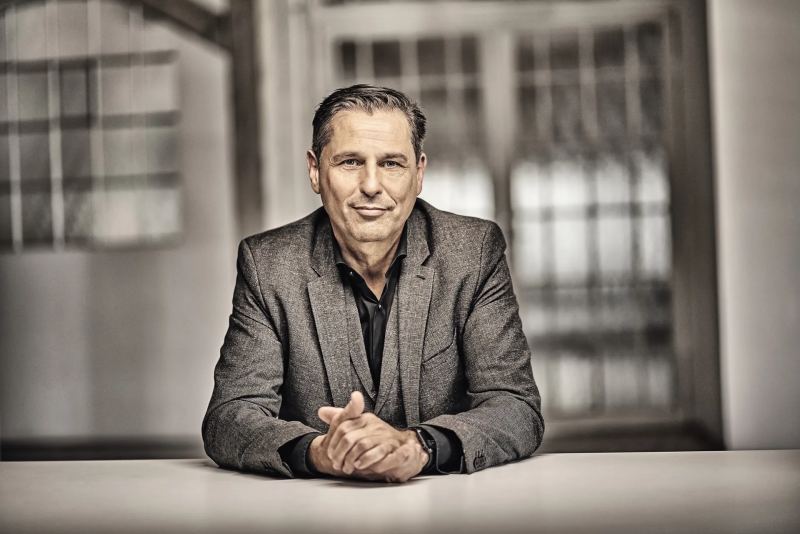
Volvo’s decision to appoint a new CEO was expected. When Hakan Samuelsson returned to the role in 2025, the company indicated that his tenure would last only two years and that it had already begun searching for a “long-term successor.”
Zellmer will now be responsible for carrying out Volvo’s new roadmap. Its goals include doubling the brand’s market share, shifting its drivetrain strategy toward more hybrids, expanding cooperation with parent company Geely, and making the purchase process more transparent through special offers and fast-delivery model variants.
“Klaus Zellmer combines deep automotive expertise with broad international leadership experience and a strong record of guiding organisations through transformation and changing market conditions,” said Eric Li, chairman of Volvo Cars. “His experience in both the high-end premium segment and high-volume brands is an excellent fit for Volvo Cars. The Board is confident that, under Klaus Zellmer’s leadership, Volvo Cars will build on its strong foundations and enter its next chapter with a clear ambition to strengthen its position as a leading premium car company.”
Zellmer appears to recognise the scale of the work ahead, while remaining optimistic and highlighting some of Volvo’s unique strengths:
“Few automotive brands have built such a strong and lasting reputation for safety, consistently applying this core value across the mobility sector. I admire Volvo Cars’ timeless, contemporary design language and the clarity of its brand identity. I am delighted to join Volvo Cars at such an important moment in the company’s development. I look forward to contributing to the company’s continued development and to shaping its next chapter together.”


The Toyota RAV4 remains a popular compact SUV, but its value and capabilities face strong competition from five hybrid alternatives.

Volkswagen has owned Bentley since 1998, but the luxury marque remains closely tied to its historic Crewe factory, where its current models are assembled in England despite their extensive German engineering and component links.

Tesla’s latest Roadster remains unconfirmed for production, but its dramatic debut included airborne stunts that few cars could match.

A fire at Frank Kent Cadillac in Fort Worth, Texas, destroyed six electric SUVs believed to be Cadillac Escalade IQs and took nearly 18 hours to bring under control.

A Ferrari F50 with just 106 miles on its odometer is expected to surpass $20 million at auction on October 31, potentially setting a new record for the model and highlighting its rapid rise in collector value.