
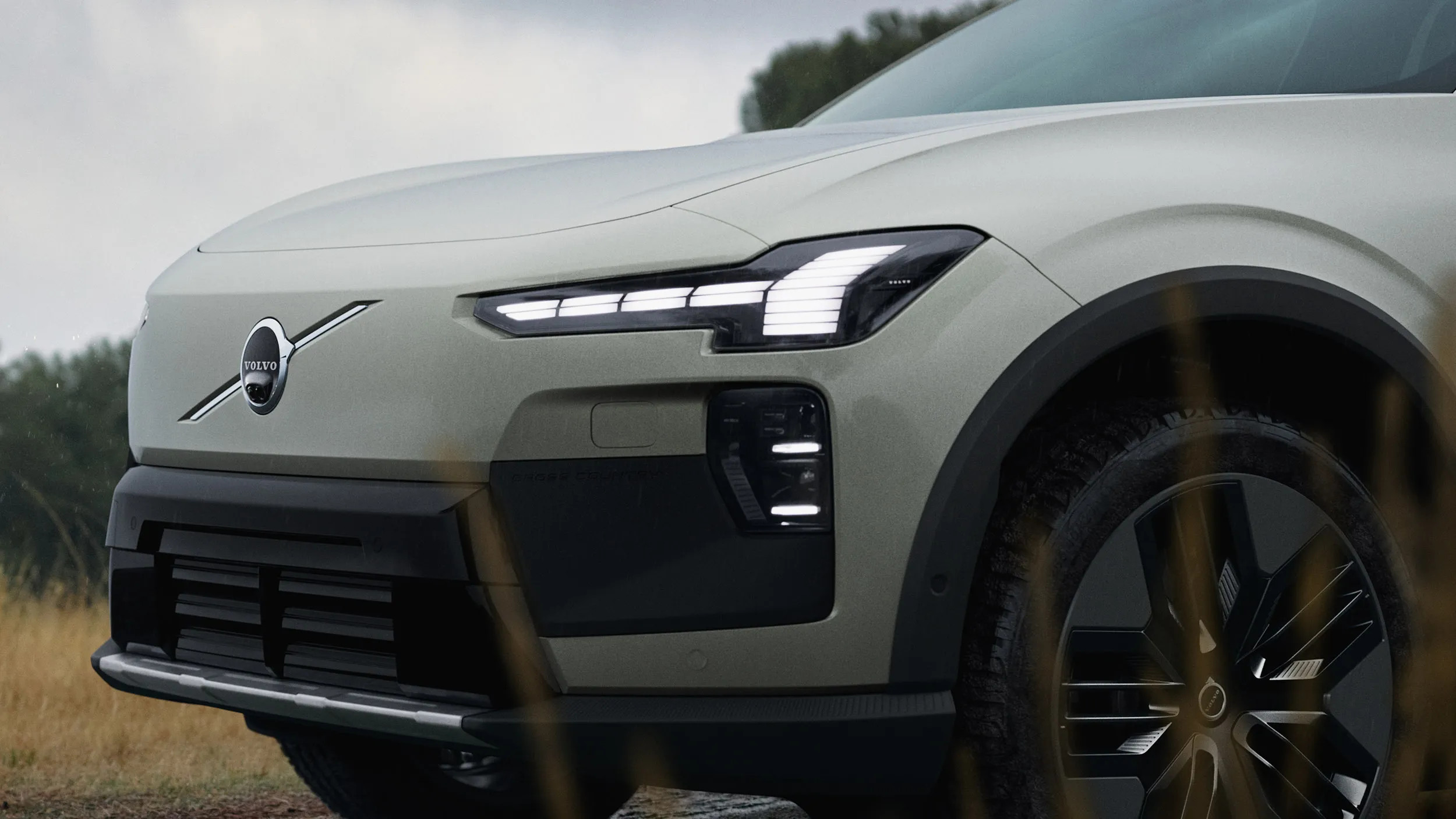
Volvo has unveiled what it describes as “the largest and most ambitious global product push in its 99-year history,” aiming to improve profitability and double its market share. The automaker plans to introduce 13 new models by the end of 2030, spanning hybrid and electric vehicles.
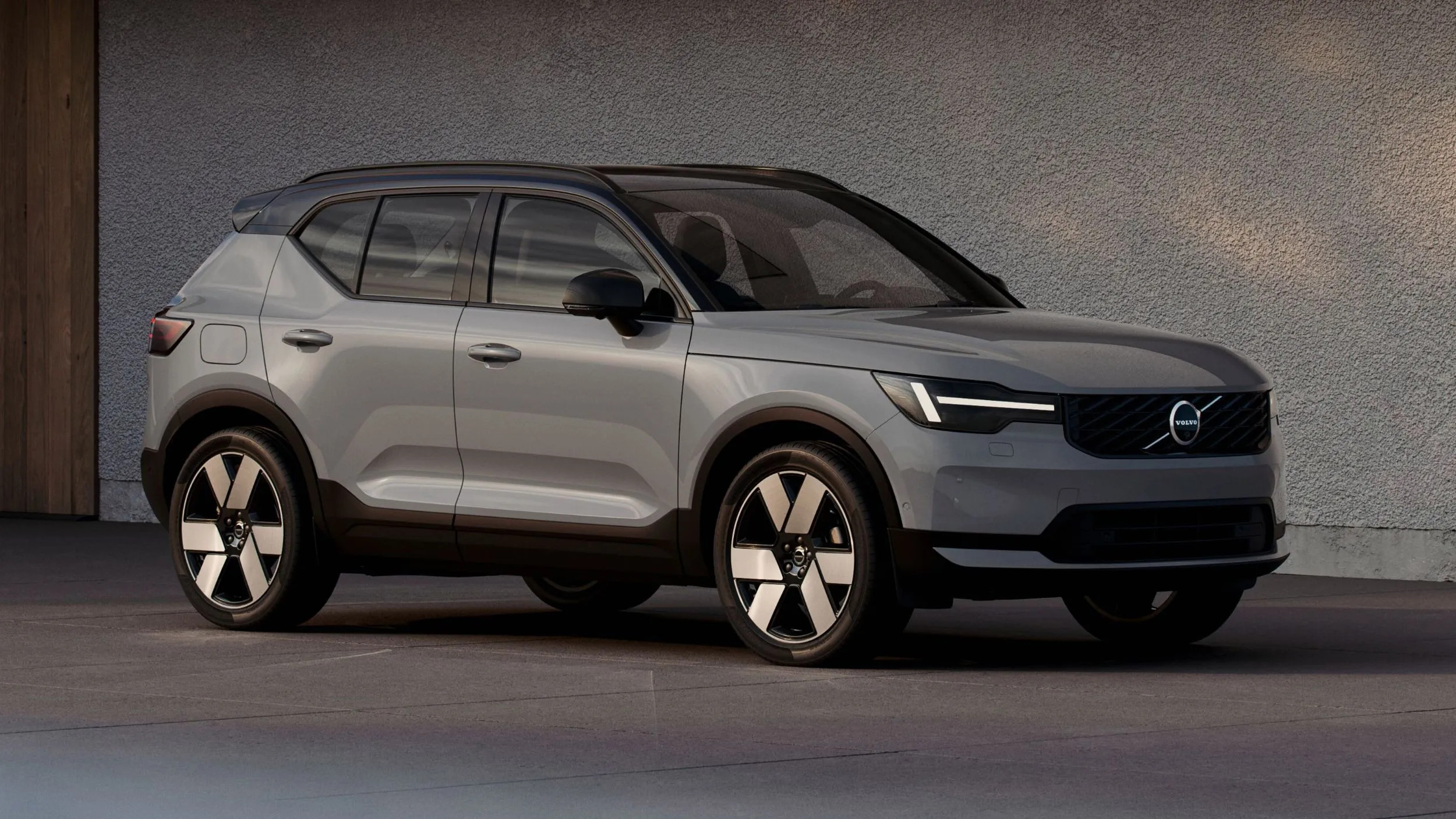
The announcement follows Volvo’s launch of updated XC40, EX40, EC40, and XC60 models, as well as a new plug-in hybrid powertrain for the XC60 and XC90 that offers up to 124 miles (200 km) of electric-only range.
While those vehicles received extensive facelifts, all 13 models in the new plan will be completely new. Seven will be sold in Western markets, including Europe and North America, with the remaining six developed for China.
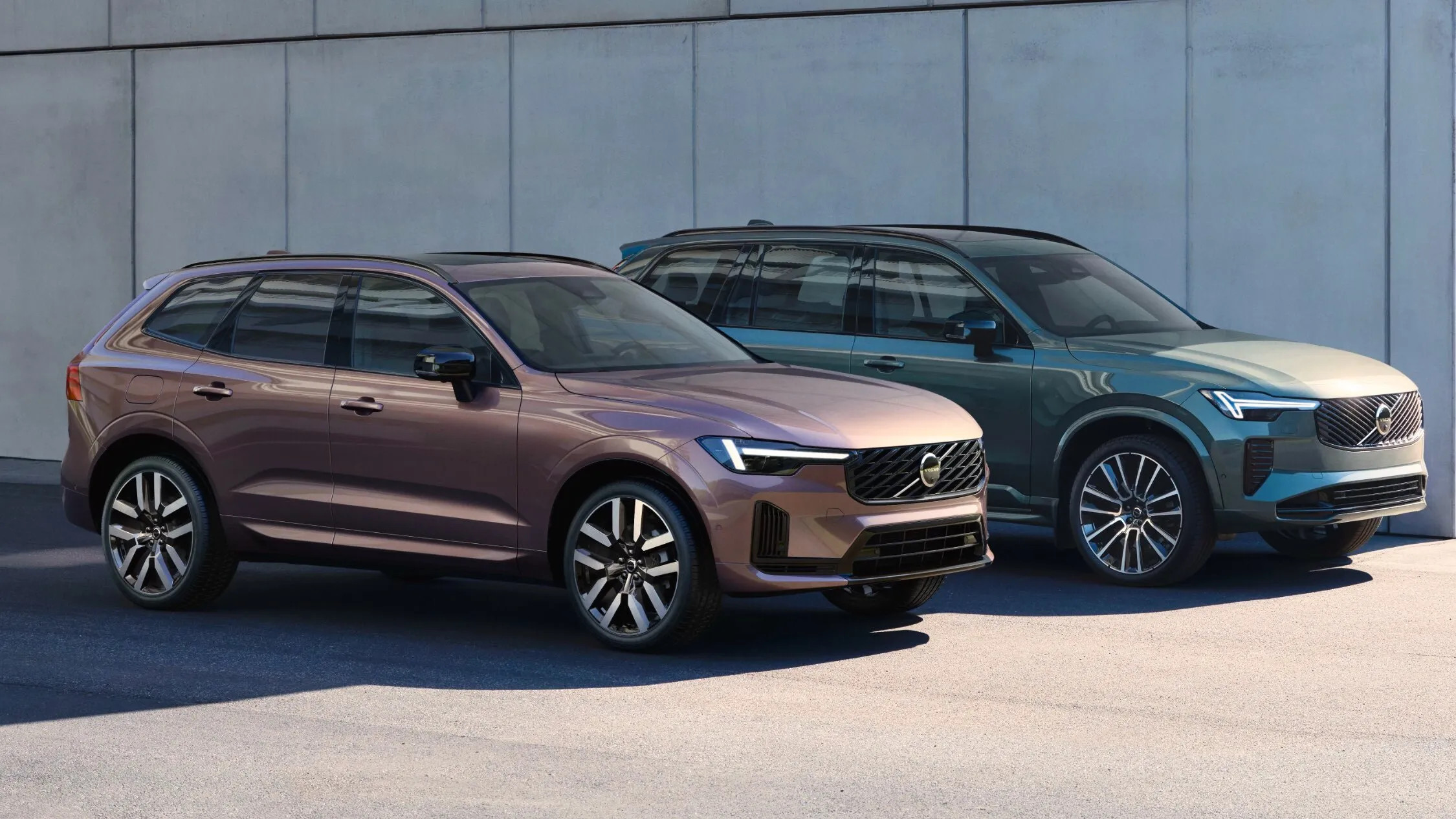
Volvo also confirmed that the future lineup will enter new segments, potentially bringing several surprises and even marking the return of wagons.
A new concept car scheduled for 2027 will preview the next evolution of Volvo’s design language. It will be created under the guidance of Thomas Ingenlath, who is returning as Volvo’s Chief Design Officer after seven years as Polestar CEO.
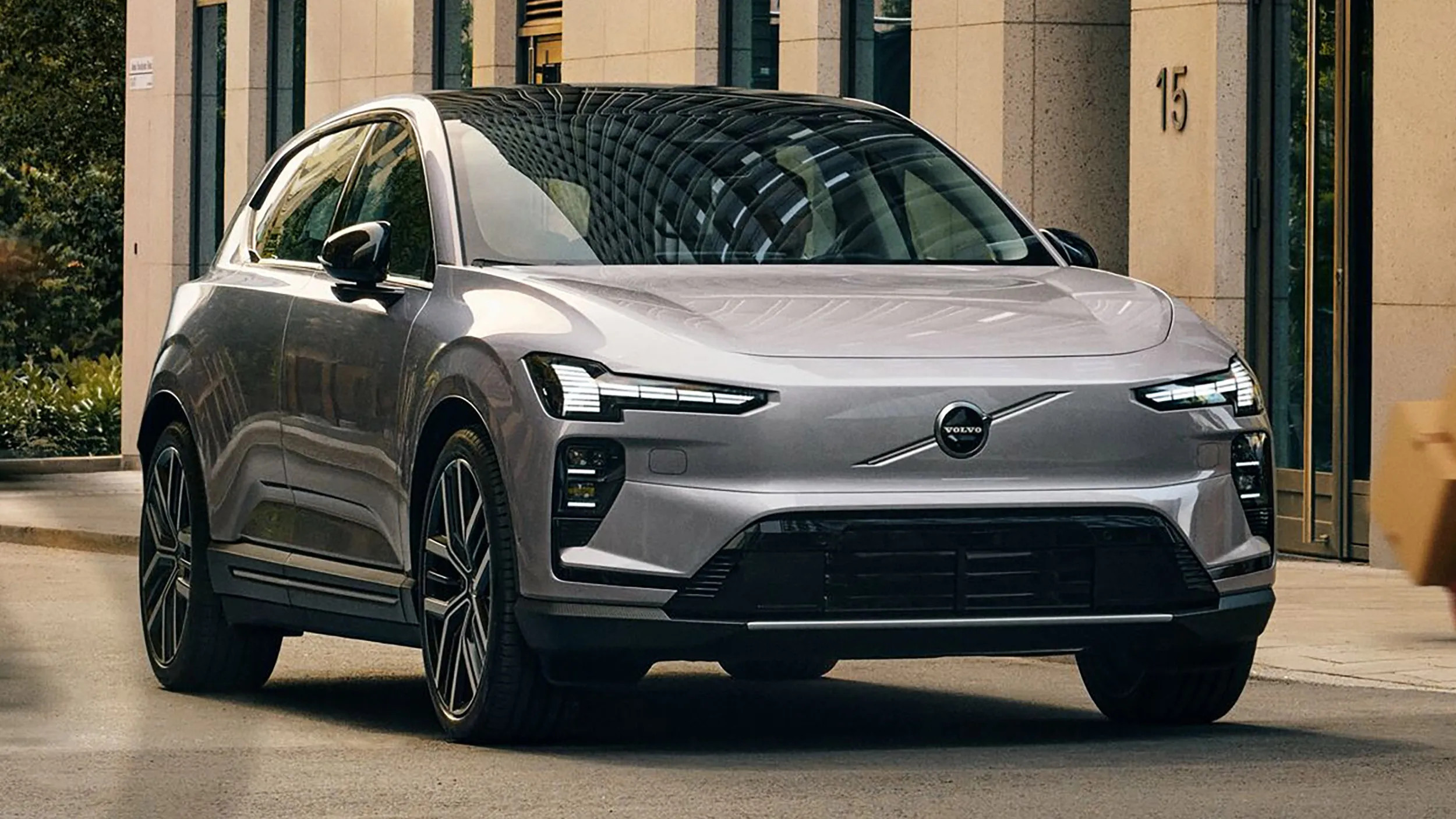
The Western-market models will use the SPA2 architectures found in the EX90 and ES90, along with the SPA3 platform used by the EX60, and will run on the HuginCore computing platform. Models for China will adopt shared platforms and a market-specific technology stack developed with parent company Geely. Volvo aims to raise component commonality across Geely Group vehicles from the current 10 percent to as much as 30 percent by 2030.
Volvo president and CEO Hakan Samuelsson said its “showrooms will look very different in 2030” as the company works to become “the leading premium car brand.” He identified four foundations for the product offensive: “regionalized product offerings, leadership in electrification, unique synergies with Geely, and complete customer offers that goes beyond the car alone”.
Volvo aims to double its market share by expanding its EV lineup while offering third-generation hybrids to customers who are not yet ready to switch to electric vehicles. The company also plans regular over-the-air software updates, along with special offers and fast-delivery model variants intended to make purchasing a new Volvo easier and more transparent.


The Toyota RAV4 remains a popular compact SUV, but its value and capabilities face strong competition from five hybrid alternatives.

Volkswagen has owned Bentley since 1998, but the luxury marque remains closely tied to its historic Crewe factory, where its current models are assembled in England despite their extensive German engineering and component links.

Tesla’s latest Roadster remains unconfirmed for production, but its dramatic debut included airborne stunts that few cars could match.

A fire at Frank Kent Cadillac in Fort Worth, Texas, destroyed six electric SUVs believed to be Cadillac Escalade IQs and took nearly 18 hours to bring under control.

A Ferrari F50 with just 106 miles on its odometer is expected to surpass $20 million at auction on October 31, potentially setting a new record for the model and highlighting its rapid rise in collector value.